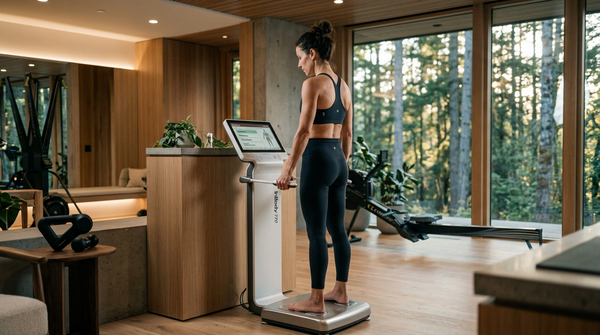
You Can Look Lean and Still Have Dangerous Fat Around Your Organs

Hi friend,
You work out. You eat reasonably well. You look fine in the mirror. Maybe even good. Your clothes fit. Your waist isn't what you'd call "big." By every visible measure, you're doing the right things.
But here's what the mirror can't show you: fat that lives deep inside your abdomen — not under the skin, but wrapped around your liver, pancreas, kidneys, and intestines. It doesn't show on the outside. It doesn't show up in most standard checkups. And it is one of the most dangerous things you can carry in your body.
I ignored this for a long time. I assumed that because I was active and not overweight by any standard metric, my internal health matched my external appearance. Then I got a DEXA scan. The visceral fat reading changed how I thought about my body entirely.
If you've never had your visceral fat measured, this matters more than you think.
What Visceral Fat Actually Is
There are two types of body fat. Subcutaneous fat sits just under your skin — the kind you can pinch. Visceral fat sits deep inside your abdominal cavity, surrounding your organs.
The distinction matters enormously. Subcutaneous fat is mostly inert. Visceral fat is metabolically active. It produces inflammatory cytokines, disrupts hormone signaling, and directly impairs insulin sensitivity.
- It's invisible: You can carry a dangerous level of visceral fat while having a normal BMI and a flat stomach.
- It's inflammatory: Visceral fat continuously releases compounds that drive chronic systemic inflammation.
- It's hormonally disruptive: It interferes with cortisol, insulin, and sex hormone metabolism.
- It correlates with disease: Elevated visceral fat is one of the strongest independent predictors of type 2 diabetes, cardiovascular disease, and metabolic syndrome — regardless of your total body weight.
Why Lean People Are Not Exempt
This is the part most people miss. The medical term is TOFI: Thin Outside, Fat Inside. Researchers have identified a substantial population of normal-weight individuals with metabolic profiles similar to people who are clinically obese — driven by high visceral fat.
Siim Land has been talking about this clearly on Instagram: you can be lean and still have too much visceral fat because it's around the organs where no one can see it.
The mechanisms are straightforward. If you've ever been sedentary for years, gone through prolonged periods of chronic stress, consumed excess alcohol, or eaten a diet high in refined carbohydrates and fructose — your liver and abdominal organs can accumulate fat independent of what the scale says. Physical appearance normalizes before visceral fat does.
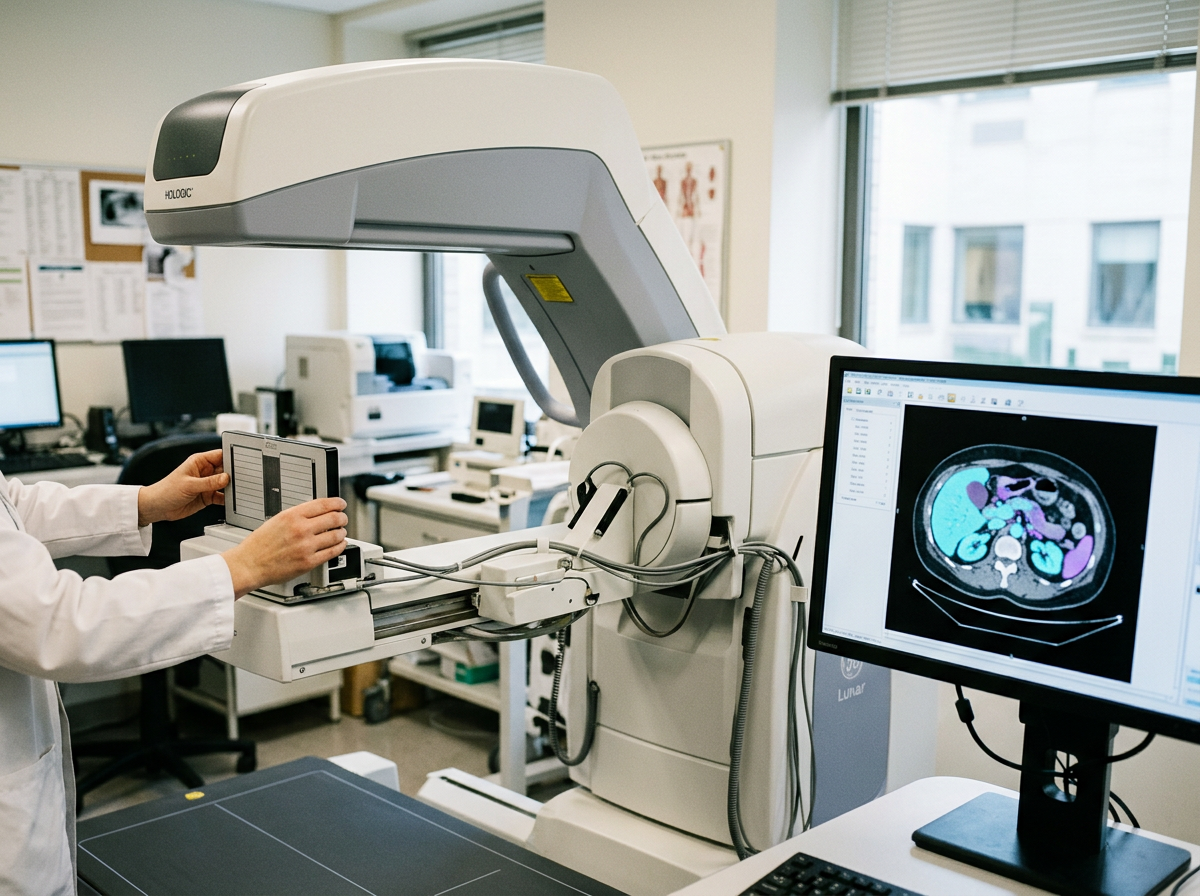
How to Actually Measure It
BMI tells you almost nothing about visceral fat. A tape measure around your waist tells you slightly more but is still crude. The most actionable options:
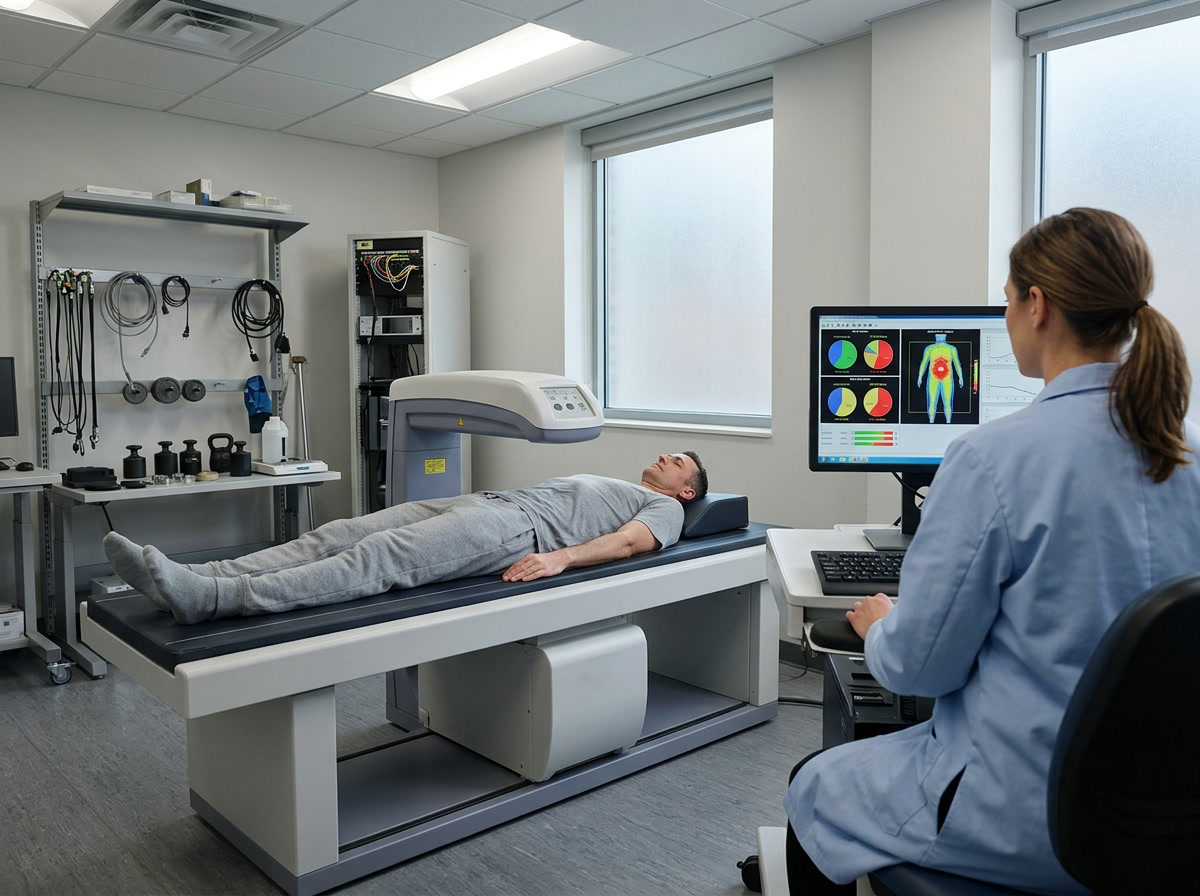
- DEXA scan: The gold standard for body composition measurement. Quantifies visceral fat with high accuracy. Available at many sports performance clinics and longevity centers.
- MRI or CT scan: Most precise, but expensive and typically used clinically rather than for wellness screening.
- Waist-to-height ratio: A simple proxy. A waist circumference that exceeds half your height is associated with elevated visceral fat risk.
- Waist-to-hip ratio: Men above 0.90 and women above 0.85 are in higher-risk territory according to WHO guidelines.
- Bioelectrical impedance scales: Consumer-grade devices vary widely in accuracy. Treat them as trend data, not absolute numbers.
If you've never had a DEXA scan, it's worth doing once as a baseline. Many facilities now offer them for under $100, and the visceral fat score alone is worth the trip.
The Metabolic Damage It Causes
High visceral fat isn't just an abstract risk factor. It actively degrades metabolic function in measurable, near-term ways.
It drives insulin resistance by flooding the portal vein — which drains directly into the liver — with free fatty acids. The liver responds by producing excess glucose and triglycerides. This is the mechanism behind non-alcoholic fatty liver disease, which is now the most common liver condition in Western countries.
Visceral fat also elevates fasting cortisol and suppresses testosterone in men and disrupts estrogen balance in women. It directly feeds the inflammatory cascades associated with early cardiovascular disease. None of this requires you to be overweight. It only requires that you've accumulated the wrong kind of fat in the wrong place.
What Actually Reduces Visceral Fat
Visceral fat is the most metabolically responsive fat in your body — which is both the bad news and the good news. It accumulates quickly under the wrong conditions. It also comes off faster than subcutaneous fat when you address it deliberately.
Resistance training: Consistently shown to reduce visceral fat even without weight loss. Muscle mass drives glucose uptake and reduces the conditions that allow visceral fat to accumulate. Compound lifts — squats, deadlifts, presses — produce the most systemic effect.
Zone 2 cardio: Low-intensity aerobic work done consistently (3–4 hours per week) improves metabolic flexibility and directly targets visceral fat stores. This is the aerobic base that longevity researchers like Peter Attia and Iñigo San Millán focus on.
Sleep quality: Chronic sleep restriction elevates cortisol and ghrelin, both of which promote visceral fat accumulation. There's no intervention that compensates for consistent 5–6 hour nights.
Fructose reduction: Dietary fructose is metabolized almost exclusively in the liver. Excess fructose — primarily from sugar-sweetened beverages and processed foods — is a direct driver of hepatic fat and visceral fat accumulation. Eliminating liquid calories is one of the highest-leverage dietary moves you can make.
Stress management: Chronically elevated cortisol selectively deposits fat in the visceral region. This is one reason that people under prolonged psychological stress can gain visceral fat even without caloric surplus.
What Red Light Therapy Has to Do With It
This is worth understanding clearly rather than overstating.
Red light therapy (photobiomodulation) does not directly melt visceral fat. That claim oversteps the evidence. But there's a legitimate mechanism worth paying attention to.
Photobiomodulation improves mitochondrial function by stimulating cytochrome c oxidase, the enzyme responsible for ATP production in the mitochondrial electron transport chain. Better mitochondrial function means improved cellular energy metabolism — and metabolic dysfunction is both a cause and consequence of visceral fat accumulation.
More directly: the quality of your recovery, your sleep, your stress response, and your ability to perform and sustain the exercise required to reduce visceral fat all benefit from systemic improvements in mitochondrial function. Full-body red light exposure — like what AXRAH's Pod and Pod Ultra deliver — addresses this at a whole-body level rather than targeting isolated muscle groups.
The AXRAH Pod Ultra uses five wavelengths across 43,200 LEDs at 129 mW/cm² — including 810nm and 940nm wavelengths that penetrate deeply into tissue where mitochondrial density is highest. The application here is systemic metabolic support, not spot reduction.
Action Steps
This is what matters operationally:
Get a baseline measurement. Book a DEXA scan. Know your actual number. Everything else is speculation without it.
Start resistance training if you haven't. Three sessions per week of compound lifting is the minimum effective dose. This is non-negotiable for visceral fat reduction.
Add Zone 2 cardio. Three to four hours per week at a conversational pace. Separate from your strength training days where possible.
Cut liquid calories entirely. Soda, juice, sports drinks, alcohol, sweetened coffee drinks. This one change removes the primary dietary driver of visceral fat in most people's lives.
Fix your sleep. Seven to nine hours. Blackout curtains, consistent sleep schedule, no screens in the last hour. Treat this as seriously as your training.
Manage cortisol deliberately. This means identifying and reducing your chronic stressors where possible, and using physical recovery tools — cold exposure, breathwork, red light therapy, adequate rest days — to lower baseline cortisol between training sessions.
You don't need to do all of this at once. Pick one intervention, install it as a habit, then add the next. Visceral fat responds to accumulated lifestyle change over time.
None of the above works if you don't first know where you stand. The most important step is measuring.
Take care of yourself and stay upgraded,
The AXRAH Team